

Michigan Weather & Asphalt Sealcoating: Protect Your Pavement
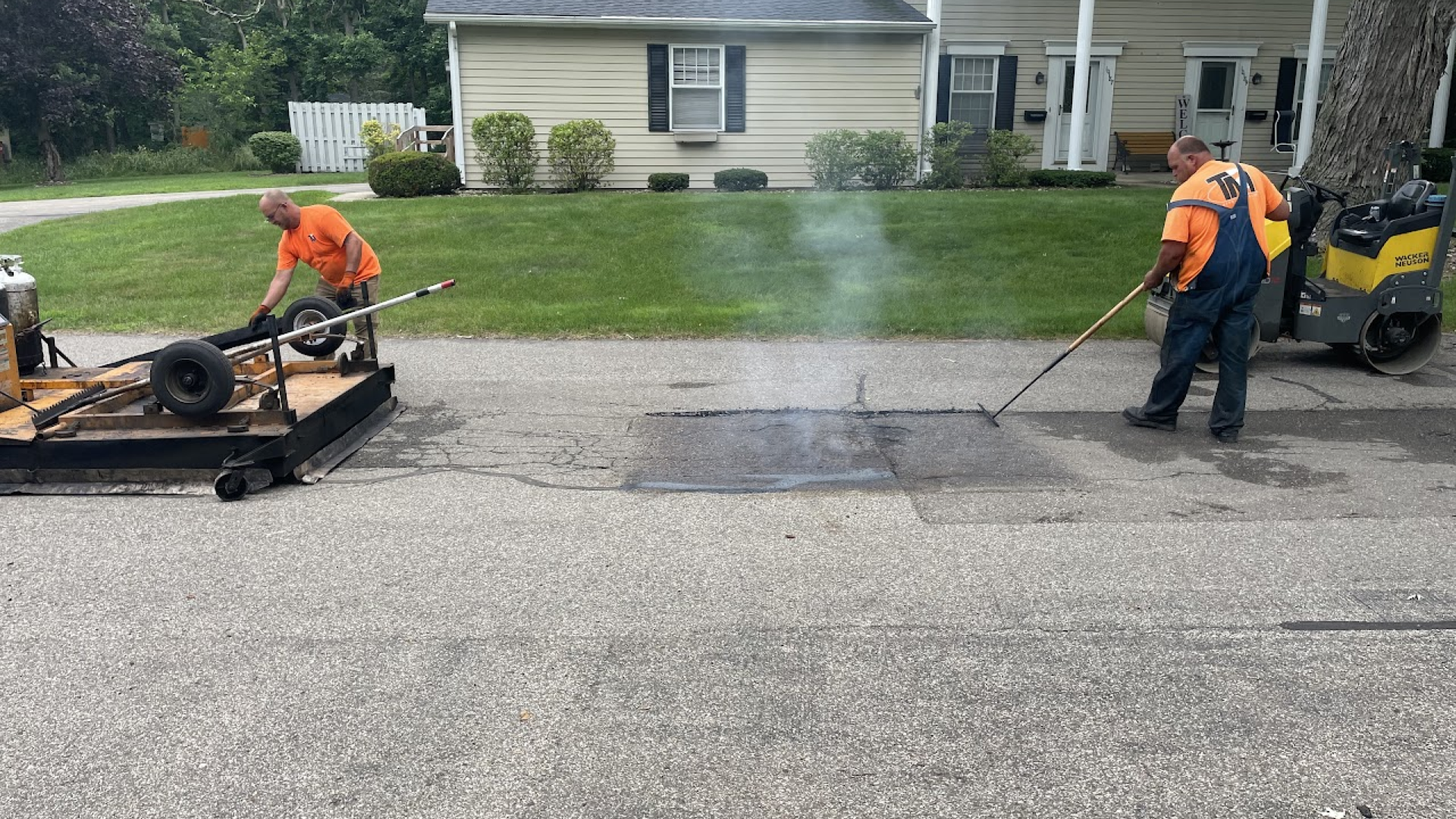
Michigan’s weather is known for its extremes. From freezing winters and spring thaw cycles to hot summer temperatures and heavy rainfall, asphalt pavement throughout the state faces constant environmental stress. For commercial property owners, homeowners, and facility managers, understanding how weather affects asphalt is essential for protecting pavement investments and maximizing longevity.
One of the most effective ways to defend asphalt against Michigan’s challenging climate is through regular sealcoating. Sealcoating acts as a protective barrier that helps shield asphalt surfaces from moisture, UV radiation, oxidation, chemicals, and temperature fluctuations. However, the success of a sealcoating program depends not only on applying the product but also on understanding how Michigan weather impacts both asphalt deterioration and sealcoat performance.
According to Asphalt Express LLC, sealcoating is a critical component of long-term pavement maintenance, helping property owners preserve asphalt surfaces and avoid costly repairs caused by weather-related damage. In this guide, we'll explore how Michigan's climate affects asphalt, why sealcoating is so important, the best times to apply sealcoat, and how preventative maintenance can significantly extend pavement life.
Why Michigan Weather Is Tough on Asphalt
Unlike regions with relatively stable climates, Michigan experiences dramatic seasonal changes that place continuous stress on asphalt surfaces. Throughout the year, pavement may endure a variety of harsh elements, which are deeply detailed in our overview of the top 5 common causes of asphalt damage in michigans weather conditions.
These cyclical stressors include:
Snow and ice accumulation
Severe freeze-thaw cycles
Heavy spring rains
Summer heat and UV exposure
Rapid temperature fluctuations
Corrosive road salt exposure
Continuous moisture infiltration
Each of these factors contributes to asphalt aging and deterioration. Without proper maintenance, weather-related damage can dramatically shorten pavement lifespan and lead to expensive repairs.
Understanding How Asphalt Deteriorates
Asphalt is a flexible pavement material made from aggregates and asphalt binder. Over time, environmental exposure causes the binder to break down. To ensure long-term durability from day one, contractors must prioritize proper design, which you can read about in asphalt thickness done right build surfaces that perform not fail early.
As the degradation process occurs, asphalt becomes:
Less flexible
More brittle
More porous
More susceptible to cracking
Weather accelerates this natural aging process. Sealcoating helps slow deterioration by creating a protective layer between the asphalt and the elements.
The Impact of Freeze-Thaw Cycles on Asphalt
One of Michigan's most significant pavement challenges is the freeze-thaw cycle. Property owners often struggle with this phenomenon, but you can learn how to combat it in our guide on how michigans freeze-thaw cycles affect asphalt and what you can do about it.
How Freeze-Thaw Damage Occurs
The process is relatively simple:
Water enters small cracks and surface pores.
Temperatures drop below freezing.
Water expands as it turns to ice.
Pressure develops inside the pavement.
Cracks widen and new damage forms.
When temperatures rise again, the ice melts and water penetrates deeper into the pavement. This cycle can repeat dozens of times throughout a single Michigan winter.
Long-Term Effects of Freeze-Thaw Damage
Repeated freeze-thaw activity often leads to:
Surface cracking
Potholes
Pavement heaving
Base deterioration
Structural weakening
Once moisture reaches the pavement foundation, repairs become significantly more expensive. Sealcoating helps reduce water penetration and minimizes the risk of freeze-thaw damage.
How Snow and Ice Affect Asphalt Surfaces
Winter weather creates additional challenges beyond freeze-thaw cycles. Heavy snow accumulation can trap moisture on pavement surfaces for extended periods. To protect your property ahead of time, look into winter ready asphalt prepping your parking lot for snow amp ice.
As snow melts, water may seep into surface cracks, expansion joints, pavement edges, and weak areas in the asphalt. Over time, this moisture contributes to accelerated deterioration. Properly maintained sealcoat acts as a moisture-resistant barrier, helping reduce infiltration during winter months.
The Effects of Road Salt on Asphalt
Michigan roads and parking lots are frequently treated with deicing materials during winter. While salt improves safety, it can negatively affect asphalt over time. Property owners can find strategic advice on managing residential surfaces in our article on essential maintenance tips for your michigan driveway.
Salt exposure may contribute to surface deterioration, accelerated aging, increased moisture retention, and damage to surrounding pavement materials. Fortunately, sealcoating provides an additional layer of protection that helps reduce direct contact between asphalt and deicing chemicals.
Why Spring Is a Critical Season for Asphalt Maintenance
Spring often reveals the damage caused by winter weather. Property owners commonly notice new cracks, potholes, surface wear, drainage problems, and a fading asphalt color. This makes spring an ideal time for benefits of regular asphalt parking lot inspections.
Professional evaluations can identify issues before they develop into major structural failures. Addressing winter damage early often reduces long-term repair costs.
How Rain and Moisture Damage Asphalt
Water is one of the most destructive forces affecting asphalt pavement. Even small amounts of moisture can cause significant problems when allowed to penetrate the pavement structure. For residential properties, the seasonal shift can be brutal, as explored in michigan driveways how seasonal changes affect asphalt.
Common moisture-related issues include:
Crack expansion
Base erosion
Surface deterioration
Pothole formation
Pavement settlement
Poor drainage can make these problems even worse. Sealcoating helps create a water-resistant surface that reduces moisture infiltration.
The Impact of Summer Heat and UV Exposure
While winter often receives the most attention, summer weather can also damage asphalt. Ultraviolet rays gradually break down asphalt binders through a process called oxidation.
As oxidation progresses, asphalt loses flexibility, surface color fades, cracks become more likely, and brittleness increases. Summer heat can also soften asphalt surfaces, particularly in high-traffic areas. Vehicle turning movements and heavy loads place additional stress on softened pavement. Sealcoating helps shield asphalt from UV radiation and slows oxidation.
What Is Asphalt Oxidation?
Oxidation occurs when asphalt binder reacts with oxygen and sunlight. Over time, this process causes the pavement to lose oils that help maintain flexibility.
Signs of oxidation include:
Gray or faded pavement
Surface brittleness
Increased cracking
Rough texture
Sealcoating helps delay oxidation by limiting exposure to sunlight and air.
How Sealcoating Protects Asphalt
Sealcoating is a protective treatment applied to the asphalt surface. Its primary purpose is to create a barrier against environmental damage. For a comprehensive overview of how this process saves you money, check out why timely sealcoating prevents expensive asphalt repairs.
Benefits include:
Water resistance
UV protection
Reduced oxidation
Improved appearance
Enhanced pavement lifespan
For Michigan property owners, sealcoating serves as one of the most cost-effective pavement preservation strategies available.
Why Sealcoating Is Especially Important in Michigan
Michigan's climate exposes asphalt to multiple forms of stress throughout the year. To see how these benefits function in practical scenarios, check out how sealcoating amp maintenance prolong asphalt life real world examples.
Sealcoating helps combat:
Moisture Infiltration
Prevents water from entering small cracks and surface pores.
Freeze-Thaw Damage
Reduces the amount of moisture available to freeze within the pavement, as discussed in how sealcoating protects your asphalt from michigans harsh winters.
UV Degradation
Protects asphalt binders from sunlight and oxidation.
Chemical Exposure
Provides resistance against vehicle fluids and deicing materials. For detailed protection benefits, check out how sealcoating protects against oil spills and stains.
Surface Wear
Helps protect against traffic-related abrasion and ensures safety, which is further detailed in how sealcoating maintains a smooth safe parking surface.
These benefits collectively slow pavement aging and reduce repair frequency.
When Is the Best Time to Sealcoat Asphalt in Michigan?
Timing is critical for successful sealcoating. Sealcoat materials require specific weather conditions to cure properly. To learn more about application schedules, read sealcoating frequency how often should michigan lots be maintained.
Ideal conditions typically include:
Temperatures consistently above 50°F
Dry pavement surfaces
Minimal rain forecast
Moderate humidity levels
For Michigan properties, the best sealcoating season generally falls between late spring and early fall. This allows the sealcoat to cure properly and provide maximum protection before winter arrives.
Why Fall Sealcoating Can Be Beneficial
Many property owners schedule sealcoating during late summer or early fall. To see why this timing is so advantageous, see benefits of sealcoating for michigan driveways amp parking lots before winter hits.
Advantages include:
Protection before winter weather arrives
Reduced moisture penetration during snow season
Fresh pavement appearance
Extended winter durability
Applying sealcoat before freeze-thaw cycles begin helps prepare asphalt for harsh winter conditions.
Common Mistakes Property Owners Make
Managing asphalt requires a proactive approach, but mistakes are common. Review common mistakes property owners make when repairing asphalt and how to avoid to keep your lot in top shape.
Waiting Until Damage Is Severe
Sealcoating is preventative maintenance, not a repair method. Applying sealcoat after major deterioration has occurred may not prevent larger issues. To learn what it can actually achieve, see sealcoating myths debunked what it can and cant do for asphalt.
Ignoring Small Cracks
Even tiny cracks allow moisture penetration. Crack sealing should often be performed before sealcoating to avoid compounding issues. Learn more about simple fixes in preventing potholes proactive asphalt maintenance tips.
Delaying Maintenance Too Long
Property owners sometimes wait until pavement appearance declines significantly. By that point, oxidation and water damage may already be accelerating. Read about the financial consequences in the hidden costs of delaying parking lot resurfacing or repair.
Choosing Inappropriate Application Conditions
Sealcoating applied during poor weather conditions may not cure properly. Professional contractors monitor weather carefully before scheduling applications.
How Sealcoating Helps Reduce Long-Term Costs
Many property owners focus on immediate expenses rather than lifecycle costs. To evaluate your options and build an accurate budget, consult [how to estimate crack or pothole repair vs resurfacing vs full replacement](https://www.asphaltexpressmichigan.com/blogs/how-to-estimate-crack-or-pothole-repair vs-resurfacing-vs-full-replacement).
However, routine upkeep reduces overall pavement ownership costs by:
Slowing deterioration
Extending pavement lifespan
Reducing repair frequency
Delaying resurfacing
Postponing reconstruction
Routine maintenance is typically far less expensive than major rehabilitation projects. To understand the baseline timeline for your asset, read how often should you sealcoat your asphalt for best longevity.
The Role of Professional Asphalt Maintenance Programs
A successful pavement preservation strategy includes more than sealcoating alone. Business operators can find guidance in the commercial parking lot maintenance checklist for business owners.
Comprehensive maintenance programs often include:
Crack Sealing
Prevents water infiltration through pavement openings.
Drainage Evaluations
Ensures water moves away from asphalt surfaces. Discover how this preserves your asset in how proper drainage extends your parking lots lifespan, as well as the design factors in why commercial parking lot design amp drainage matter for longevity.
Surface Repairs
Addresses developing issues before they worsen. Property managers can plan their timeline effectively with how to plan an asphalt maintenance schedule for commercial properties.
Sealcoating
Provides ongoing environmental protection. To learn more, check out how to extend the life of your asphalt with regular maintenance practices.
Our core sealcoating and maintenance services help property owners create customized maintenance plans based on pavement condition and traffic levels.
Signs Your Asphalt May Need Sealcoating
Property owners should monitor asphalt surfaces for warning signs such as fading color, surface dryness, small cracks, rough texture, water absorption, and oxidation. To learn how to spot these indicators, read how to extend asphalt life with regular parking lot inspections.
When assessing the material quality needed for repairs, see comparing sealcoating materials what works best for michigan asphalt. Addressing these indicators early often helps prevent more extensive damage.
Frequently Asked Questions About Michigan Weather and Asphalt Sealcoating
How does Michigan weather affect asphalt?
Michigan weather exposes asphalt to freeze-thaw cycles, moisture infiltration, UV radiation, snow, ice, and temperature fluctuations that accelerate pavement deterioration.
Why is sealcoating important in Michigan?
Sealcoating helps protect asphalt from water damage, oxidation, UV exposure, road salt, and seasonal weather extremes common throughout Michigan.
How often should asphalt be sealcoated?
Most commercial and residential asphalt surfaces benefit from sealcoating every two to three years, depending on traffic and environmental conditions.
Can sealcoating prevent potholes?
Sealcoating helps reduce moisture penetration and surface deterioration, which can lower the risk of pothole development, though it does not repair existing structural damage.
What is the best season for sealcoating in Michigan?
Late spring through early fall generally provides the best weather conditions for sealcoating applications.
Does road salt damage asphalt?
Road salt can contribute to surface deterioration and increased moisture retention over time, especially when combined with freeze-thaw cycles.
Can sealcoating fix cracks?
No. Cracks should typically be repaired or sealed before applying sealcoat.
How long does sealcoating extend asphalt life?
When combined with proper maintenance, sealcoating can significantly extend pavement lifespan by slowing environmental deterioration.
Advanced Alternatives: Beyond Sealcoating
When pavement exhibits severe damage, sealcoating may no longer be enough. Property owners must evaluate heavier interventions.
Asphalt Resurfacing
For deep surface damage, overlaying new material is often required. Explore how to gauge this necessity via key signs your commercial lot needs asphalt resurfacing and understand the cost-saving benefits in why timely parking lot resurfacing saves you money and hassle.
To determine if this is the right move for your project, look over our breakdown of resurfacing vs sealcoating which pavement solution fits your needs and review top reasons to choose asphalt resurfacing for commercial parking lots. If you choose this path, you can read about what to expect in the process of parking lot resurfacing from assessment to final finish or view real customer stories before amp after parking lot resurfacing.
Asphalt Milling
Milling removes the damaged upper layer of asphalt without disturbing the subgrade. To understand this method, read what to expect during a professional asphalt milling job step by step guide and see how it saves budget in how asphalt milling helps preserve the base and saves money long term.
For technical steps, see our step by step guide to asphalt milling for longevity and cost savings and look into the role of asphalt milling in preserving your base layer.
Choosing the Right Strategy
When choosing between overlays, milling, or starting fresh, read asphalt resurfacing vs mill amp overlay which is right for your lot. If you are comparing a full rebuild to a lighter fix, read when to use asphalt milling instead of full replacement, look over why you should consider mill amp overlay instead of full asphalt removal, or study choosing between mill amp overlay vs full asphalt replacement.
For broader commercial decisions, weigh options via parking lot resurfacing vs full replacement how to choose the right solution for long term value or learn to recognize terminal damage in how to know when your asphalt needs complete removal amp replacement. You can also dive into general repair strategies in understanding when asphalt repair is better than replacement.
Conclusion
Michigan's weather creates some of the most challenging conditions for asphalt pavement. Freeze-thaw cycles, heavy moisture, road salt, UV exposure, and seasonal temperature fluctuations all contribute to pavement deterioration over time. Fortunately, regular sealcoating provides an effective defense against these environmental threats. By creating a protective barrier that reduces water infiltration, oxidation, and weather-related damage, sealcoating helps extend pavement life and reduce long-term repair costs.
For property owners seeking to protect their asphalt investment, preventative maintenance is far more affordable than extensive repairs, resurfacing, or reconstruction. Understanding how Michigan weather impacts asphalt is the first step toward building a long-lasting pavement preservation strategy.
Protect Your Asphalt from Michigan's Harsh Climate
If your pavement is showing signs of aging or weather-related wear, the professionals at Asphalt Express LLC can help you develop a maintenance plan designed to maximize pavement performance and longevity. To learn more about our company and standards, visit our about page.
To review past projects, view our work gallery 1. If you are managing a larger site, explore our tailored commercial parking lot solutions and see how these investments pay off in how commercial asphalt services improve property value. For retail locations or heavy industrial use, see our recommendations for choosing the right asphalt solution for high traffic areas.
For projects requiring deeper structural work, discover our professional asphalt paving services, learn what differentiates premium work in what makes a high quality asphalt paving job and how its done, and see how we prepare subgrades in why proper asphalt base prep is crucial before paving. You can also view our specific parking lot resurfacing services and general resurfacing methodologies.
To avoid execution errors on new installations, read common asphalt paving mistakes and how to avoid them and compare your options between benefits of professional asphalt paving vs diy projects. If you're managing smaller potholes or foundational updates, see asphalt repair vs patchwork when to call the pros.
For completely failed surfaces, check out our removal and replacement processes or read about green, cost-effective recycling alternatives on our millings page. Ready to upgrade your pavement? Review the key questions to ask your paving contractor before starting work and contact us today for an estimate.
With the right maintenance strategy, your asphalt can withstand Michigan's demanding weather conditions while remaining safe, attractive, and durable for years to come.