

Why Proper Asphalt Base Prep Is Crucial Before Paving
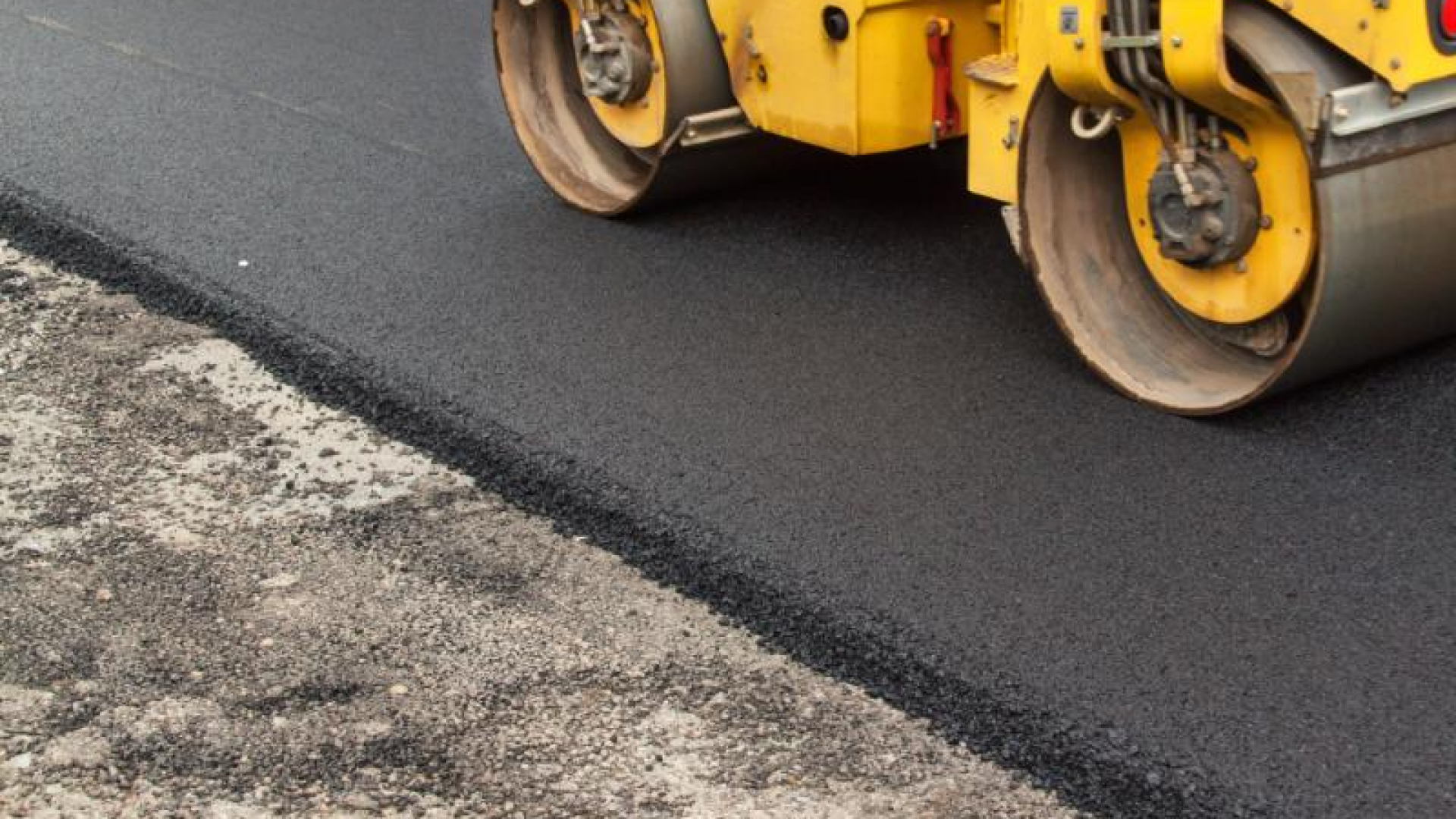
When people think about a new asphalt driveway or parking lot, they usually focus on the finished surface. Smooth black pavement looks clean, professional, and durable. But what many property owners do not realize is that the long-term performance of asphalt depends heavily on what lies underneath it.
Proper asphalt base preparation is one of the most important parts of any paving project. Without a stable and properly constructed foundation, even high-quality asphalt can crack, sink, develop potholes, or fail prematurely. Whether it is a residential driveway, commercial parking lot, or industrial pavement surface, the base layer determines how well the asphalt handles traffic, weather, drainage, and time.
According to Asphalt Express LLC, quality paving starts long before the asphalt is installed. From grading and excavation to compaction and drainage planning, every preparation step plays a critical role in the durability and lifespan of the finished pavement.
In this guide, you will learn why asphalt base prep matters, how the process works, common mistakes to avoid, and why investing in proper groundwork saves money over the long term.
What Is Asphalt Base Preparation?
Asphalt base preparation refers to the process of creating a stable, compacted, and properly graded foundation before asphalt paving begins.
This preparation typically includes:
Excavation and removal of unsuitable soil
Grading and leveling
Installing aggregate base materials
Compaction
Drainage planning
Stabilizing weak subgrade areas
The base layer acts as the structural support system for the asphalt pavement above it. Without proper support, the asphalt surface can flex excessively, causing cracks, rutting, sinking, and water damage.
Think of asphalt like the roof of a building. The visible surface matters, but the structure underneath is what truly determines strength and longevity.
Why Proper Asphalt Base Prep Matters
Structural Stability
The primary purpose of the asphalt base is to distribute weight evenly across the ground beneath the pavement.
Vehicles create significant pressure, especially in commercial parking lots and high-traffic driveways. A properly compacted aggregate base prevents that pressure from causing shifting or sinking.
Without a strong base:
Asphalt may crack under pressure
Tire depressions can form
Edges may crumble
Surface deformation may occur
A stable foundation helps the asphalt maintain its shape and structural integrity for many years.
For deeper insight into pavement structure, property owners can also review this guide on asphalt thickness done right.
Prevents Premature Cracking
One of the most common paving problems is cracking shortly after installation.
Many cracks are not caused by the asphalt itself. Instead, they originate from poor subgrade preparation underneath the pavement.
If the soil beneath the asphalt settles unevenly, the pavement above it begins to flex and fracture. Proper excavation and compaction reduce this movement significantly.
This is especially important in climates like Michigan, where freeze-thaw cycles place additional stress on pavement systems. Property owners can learn more about seasonal damage in this article about how Michigan’s freeze-thaw cycles affect asphalt.
Improves Drainage Performance
Water is one of the biggest threats to asphalt pavement.
If water penetrates the surface and reaches the foundation, it can weaken the base materials and erode soil beneath the pavement. Over time, this leads to potholes, depressions, and structural failure.
Proper base preparation includes careful grading to ensure water flows away from the pavement instead of pooling underneath it.
Professional contractors often integrate drainage planning into services such as:
Parking lot paving
Driveway paving
Commercial resurfacing
Pavement replacement projects
Proper slope and drainage design can dramatically extend pavement lifespan. This related article explains why parking lot drainage matters for longevity.
Extends Asphalt Lifespan
A well-prepared asphalt base can add years to the life of a paved surface.
When the foundation remains stable:
The asphalt experiences less stress
Cracks form more slowly
Repairs are less frequent
Maintenance costs decrease
A properly installed asphalt surface may last 15 to 25 years or more depending on traffic levels and maintenance.
Without proper preparation, major failures can occur within just a few years.
How Asphalt Base Preparation Works
Site Evaluation and Soil Inspection
Every paving project begins with evaluating the site conditions.
Contractors inspect factors such as:
Soil composition
Moisture levels
Drainage patterns
Existing pavement condition
Traffic expectations
Soft or unstable soils may require additional stabilization before paving begins.
This evaluation helps determine how deep the excavation should be and what type of base materials are needed.
Experienced teams like the professionals on the About Asphalt Express LLC page understand how local soil and climate conditions influence pavement performance.
Excavation and Removal
The next step involves removing existing pavement, debris, vegetation, or unstable soil.
For replacement projects, contractors may completely remove failed asphalt surfaces before rebuilding the foundation.
Professional asphalt removal and replacement services are often necessary when the existing pavement structure has deteriorated beyond repair.
Excavation depth depends on:
Traffic loads
Soil conditions
Climate
Intended pavement use
Commercial lots generally require deeper and stronger bases than residential driveways.
Installing Aggregate Base Material
After excavation, contractors install aggregate materials such as crushed stone or gravel.
These materials create a stable load-bearing layer beneath the asphalt.
The aggregate base must:
Be properly sized
Allow drainage
Compact effectively
Resist shifting
The thickness of the aggregate base varies depending on the project requirements.
For example:
Residential driveways may need 4–8 inches
Commercial parking lots may require 8–12 inches or more
Compaction
Compaction is one of the most critical stages of asphalt base preparation.
Using rollers and compaction equipment, contractors compress the base material to eliminate air pockets and increase density.
Proper compaction helps prevent:
Settling
Rutting
Surface shifting
Foundation instability
Poor compaction is a major cause of early pavement failure.
Even premium asphalt materials cannot compensate for an unstable or loosely compacted base.
Grading and Slope Design
Correct grading ensures water drains away from the pavement instead of collecting on the surface or underneath it.
Professional paving contractors calculate slopes carefully to prevent standing water.
Improper drainage can lead to:
Potholes
Frost heaving
Edge deterioration
Base erosion
Drainage planning is especially important for:
Commercial parking lots
Loading zones
Large paved surfaces
Areas with heavy rainfall or snow
Common Problems Caused by Poor Asphalt Base Prep
Potholes
Potholes often develop when water weakens the pavement foundation.
Once the base deteriorates, traffic pressure breaks apart the asphalt surface above it.
While potholes appear to be surface issues, they usually originate from foundation failures underneath the pavement.
Property owners can reduce these risks with proactive maintenance strategies like those discussed in preventing potholes with proactive asphalt maintenance.
Rutting and Depressions
Rutting occurs when asphalt sinks into wheel paths.
This problem commonly results from:
Weak base materials
Poor compaction
Inadequate subgrade support
Commercial lots with heavy traffic are especially vulnerable if the base is not designed properly.
Alligator Cracking
Alligator cracking refers to interconnected cracks that resemble reptile skin.
This type of damage is often a sign of structural pavement failure caused by poor support beneath the asphalt.
Surface patching alone usually does not solve the problem because the underlying foundation remains unstable.
Drainage Failures
Improper slope or grading can allow water to pool on the pavement surface.
Standing water accelerates asphalt deterioration and increases the likelihood of cracking during freeze-thaw cycles.
Drainage issues can also create safety hazards for pedestrians and vehicles.
Why Base Prep Is Essential for Commercial Parking Lots
Commercial paving projects face unique structural demands.
Heavy vehicles, delivery trucks, and constant traffic create intense pressure on asphalt surfaces.
That is why commercial parking lot paving solutions require especially strong foundations.
Proper commercial base prep helps:
Reduce liability risks
Improve property appearance
Lower long-term repair costs
Increase pavement longevity
Improve traffic flow and drainage
For businesses, investing in proper foundation work often reduces expensive future disruptions.
Business owners may also benefit from reviewing this commercial parking lot maintenance checklist.
The Role of Asphalt Resurfacing and Existing Base Conditions
In some cases, existing pavement can be resurfaced instead of completely replaced.
However, resurfacing only works when the underlying base remains structurally sound.
Professional asphalt resurfacing services can restore appearance and performance when the pavement foundation is still stable.
If the base has failed, resurfacing alone may only provide temporary results.
This is why professional contractors evaluate the condition of the sub-base before recommending resurfacing or replacement.
For comparison guidance, this article explains asphalt resurfacing vs mill & overlay.
How Sealcoating Protects the Asphalt Surface
Although sealcoating does not replace proper base preparation, it plays an important role in protecting the pavement after installation.
Professional sealcoating and asphalt maintenance services help protect asphalt from:
UV damage
Water penetration
Chemical spills
Oxidation
Surface wear
Regular maintenance helps preserve both the asphalt surface and the foundation underneath.
Property owners can also explore these insights on how sealcoating prolongs asphalt life.
Why Climate Matters in Asphalt Base Preparation
Michigan weather creates unique challenges for asphalt pavement.
Freeze-thaw cycles can cause water trapped beneath pavement to expand and contract repeatedly. This movement places enormous stress on the asphalt structure.
Without proper drainage and compaction:
Frost heaving can occur
Pavement may crack rapidly
Base layers can weaken
Water infiltration increases
This is why climate-specific paving strategies are essential in northern regions.
Professional contractors adjust excavation depth, base thickness, and drainage systems based on local environmental conditions.
For seasonal preparation advice, property owners can review this guide on winter-ready asphalt maintenance.
Residential Driveways vs Commercial Asphalt Bases
Residential Driveways
Residential paving generally handles:
Passenger vehicles
Moderate traffic
Lighter loads
Base systems may be shallower depending on soil conditions and driveway size.
Professional asphalt paving services ensure residential surfaces are built for long-term performance.
Commercial Parking Lots
Commercial properties often support:
Delivery trucks
Heavy equipment
Frequent traffic
Larger paved areas
These projects require stronger and deeper foundations to prevent premature failure.
Experienced contractors tailor the base design to match the expected usage.
Signs Your Existing Asphalt Base May Be Failing
Property owners should watch for warning signs that indicate foundation problems beneath asphalt pavement.
Common Indicators Include:
Large cracks returning after repairs
Sinking pavement areas
Standing water
Uneven surfaces
Repeated potholes
Crumbling edges
Rutting in traffic lanes
If these issues appear repeatedly, the problem may involve the underlying base rather than the asphalt surface alone.
This article explains how to know when asphalt needs complete replacement.
Why Professional Installation Matters
Proper asphalt base prep requires specialized equipment, engineering knowledge, and experience.
Professional paving contractors understand how to:
Evaluate soil conditions
Design proper drainage
Select suitable aggregate materials
Achieve correct compaction levels
Build long-lasting pavement systems
Cutting corners during preparation may reduce upfront costs temporarily, but it often leads to expensive repairs later.
Experienced paving teams prioritize foundation quality because they understand that pavement performance depends on what lies beneath the surface.
To see examples of completed paving projects, property owners can browse the company project gallery.
How Asphalt Milling Supports Better Base Preparation
In some projects, asphalt milling is used to remove deteriorated pavement layers while preserving portions of the underlying structure.
Professional asphalt millings services can help prepare surfaces for resurfacing or rehabilitation projects.
Milling allows contractors to:
Remove damaged asphalt
Improve surface leveling
Correct drainage issues
Prepare for overlay installation
However, the remaining base must still be structurally stable for successful results.
This related guide explains how asphalt milling preserves the base layer.
Questions Property Owners Should Ask Before Paving
Before hiring a paving contractor, property owners should ask important questions about the preparation process.
Key Questions Include:
How will the soil be evaluated?
What base materials will be used?
How deep will excavation go?
How will drainage be handled?
What compaction methods will be used?
Is resurfacing or replacement more appropriate?
What maintenance is recommended after installation?
Understanding these details helps ensure long-term pavement performance.
This helpful resource outlines additional questions to ask your paving contractor.
Frequently Asked Questions About Asphalt Base Preparation
What is the purpose of an asphalt base layer?
The asphalt base layer provides structural support for the pavement above it. It distributes weight, improves drainage, and helps prevent cracking, sinking, and premature failure.
How thick should an asphalt base be?
Base thickness depends on traffic loads, soil conditions, and project type. Residential driveways may need 4–8 inches, while commercial parking lots often require deeper foundations.
Can asphalt be installed without proper base prep?
Technically yes, but it significantly increases the risk of cracking, potholes, drainage problems, and early pavement failure. Proper preparation is essential for durability.
Why does asphalt crack after installation?
New asphalt may crack due to poor compaction, unstable soil, inadequate drainage, or foundation movement beneath the surface.
How does water damage asphalt foundations?
Water weakens soil and aggregate materials beneath the pavement. Over time, this causes erosion, potholes, sinking, and structural instability.
Is resurfacing enough if the asphalt base is damaged?
No. If the foundation has failed, resurfacing may only provide temporary cosmetic improvement. Structural problems underneath must be repaired first.
What is asphalt milling?
Asphalt milling removes damaged pavement layers to prepare surfaces for resurfacing or rehabilitation while preserving usable underlying structures.
How long does properly installed asphalt last?
With quality installation and regular maintenance, asphalt pavement can last 15–25 years or longer depending on traffic and environmental conditions.
Why is compaction important in asphalt paving?
Compaction removes air pockets and stabilizes the base materials. Poor compaction can lead to settling, cracking, and pavement failure.
Conclusion
Proper asphalt base preparation is the foundation of every successful paving project. While the asphalt surface receives most of the attention, the real strength and durability come from the groundwork underneath.
From excavation and grading to compaction and drainage planning, every preparation step contributes to long-term pavement performance. Without a stable base, even high-quality asphalt can fail prematurely.
Whether you are planning a residential driveway, parking lot resurfacing project, or complete pavement replacement, investing in proper preparation helps reduce maintenance costs, improve safety, and extend pavement lifespan.
Professional paving contractors understand that lasting asphalt starts below the surface.
Ready to Start Your Asphalt Paving Project?
If you are considering new asphalt paving, resurfacing, sealcoating, or parking lot improvements, the team at Asphalt Express LLC can help evaluate your pavement needs and recommend the right long-term solution.
A strong asphalt surface always begins with a properly prepared foundation.