

Commercial Parking Lot Resurfacing: Step-by-Step Planning Tips
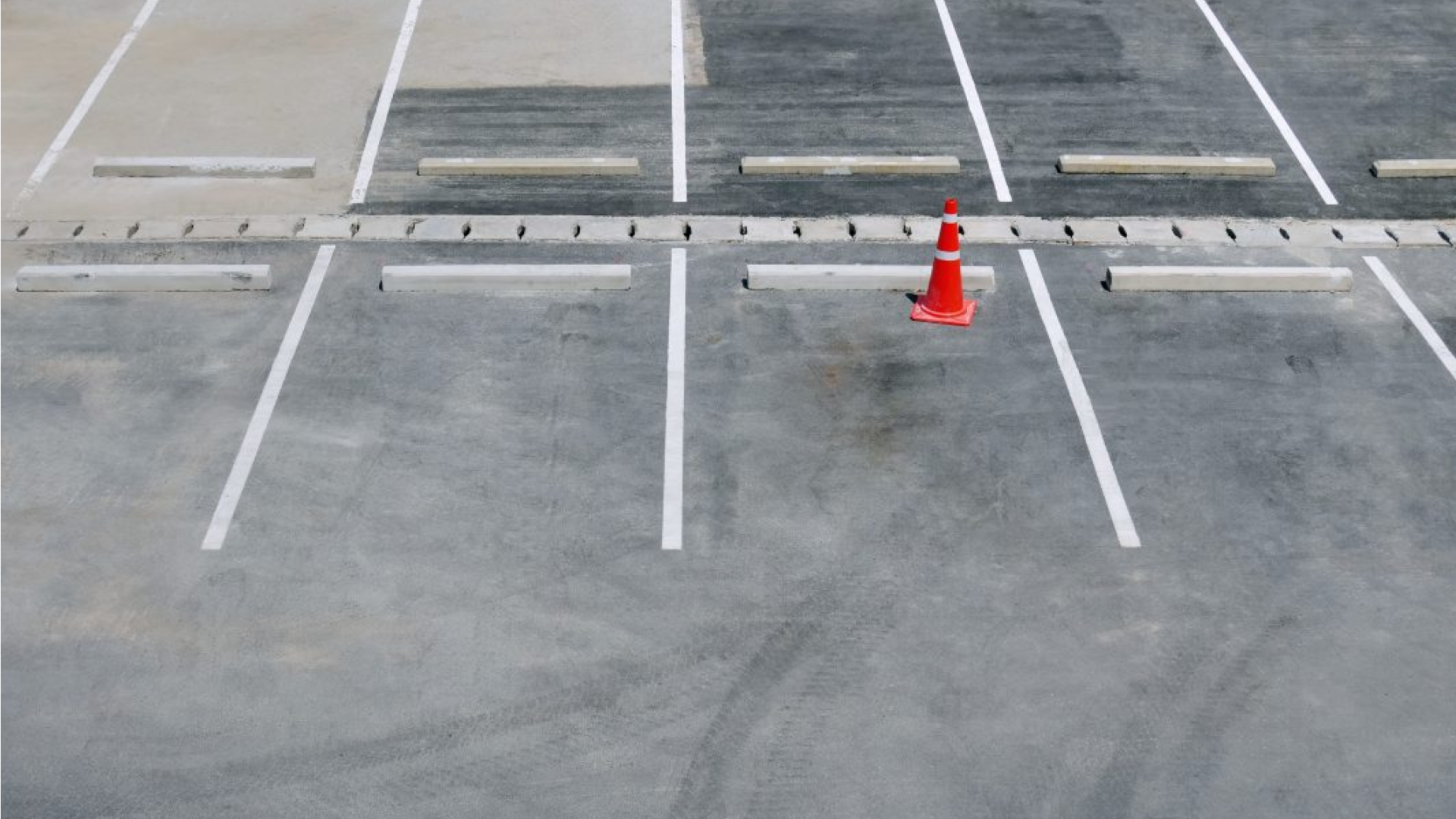
A commercial parking lot is one of the most visible and heavily used features of any business property. It affects first impressions, customer experience, traffic flow, safety, and even property value. Over time, however, exposure to weather, vehicle traffic, UV rays, and moisture causes asphalt surfaces to deteriorate. Cracks, fading, minor potholes, and surface wear can make a parking lot look neglected and create potential safety concerns.
Fortunately, complete reconstruction is not always necessary. When the underlying pavement structure remains sound, commercial parking lot resurfacing can restore appearance, improve performance, and significantly extend pavement life at a fraction of the cost of replacement.
Successful resurfacing projects require careful planning. Property owners and facility managers who understand the process can minimize disruptions, maximize their investment, and ensure long-lasting results.
According to Asphalt Express LLC, proper planning is one of the most important factors in achieving a durable and cost-effective parking lot resurfacing project.
In this guide, we’ll walk through the step-by-step planning process for commercial parking lot resurfacing, explain what to expect, and highlight common mistakes to avoid.
What Is Commercial Parking Lot Resurfacing?
Commercial parking lot resurfacing is the process of installing a new layer of asphalt over an existing pavement surface. Unlike complete reconstruction, resurfacing preserves the underlying pavement structure when it remains stable and structurally sound.
The process typically includes:
Surface evaluation
Repairs to damaged areas
Asphalt milling when necessary
Overlay installation
Line striping and finishing
The result is a smoother, safer, and more attractive parking lot that can continue serving the property for many additional years.
When Is Resurfacing the Right Choice?
Before planning a resurfacing project, it is important to determine whether resurfacing is the appropriate solution. Resurfacing is often ideal when:
Surface cracks are moderate
Pavement has faded significantly
Minor potholes exist
Ride quality has declined
The asphalt is aging but structurally stable
Resurfacing may not be suitable if the parking lot suffers from:
Extensive alligator cracking
Severe drainage issues
Major base failure
Significant pavement settlement
Widespread structural deterioration
In those situations, more extensive repairs or replacement may be necessary.
Why Planning Matters Before Resurfacing
Commercial parking lots support daily business operations. Poor planning can lead to:
Customer inconvenience
Traffic disruptions
Safety concerns
Scheduling delays
Increased project costs
A well-organized resurfacing plan helps minimize downtime while ensuring the finished pavement meets long-term performance goals.
Step-by-Step Planning Guide
Step 1: Schedule a Professional Pavement Evaluation
The first step in any resurfacing project is a comprehensive pavement assessment. Professional contractors evaluate:
Surface condition
Structural integrity
Existing cracks
Drainage performance
Base stability
Traffic patterns
This evaluation determines whether resurfacing is appropriate and identifies repairs needed before the overlay is installed. Parking lot resurfacing services often begin with a detailed inspection to develop the most effective resurfacing strategy.
Step 2: Identify Existing Pavement Problems
A resurfacing project should address existing issues before new asphalt is installed. Common concerns include:
Cracks: Large cracks may need sealing or repair prior to resurfacing.
Potholes: Damaged areas should be repaired to prevent future deterioration.
Drainage Problems: Standing water indicates grading or drainage deficiencies that should be corrected.
Surface Deformation: Rutting and depressions may require milling or localized repairs.
Addressing these issues helps ensure the new asphalt performs properly.
Step 3: Determine Project Timing
Choosing the right time for resurfacing is critical. Factors to consider include:
Business operating hours
Seasonal weather conditions
Customer traffic patterns
Tenant schedules
Delivery schedules
For many commercial properties, resurfacing is often scheduled during periods of lower activity to minimize disruption. In Michigan, asphalt projects are generally performed during warmer months when weather conditions support proper asphalt installation and curing.
Step 4: Develop a Traffic Management Plan
Parking lots remain essential even during construction. A traffic management strategy helps maintain safe access throughout the project. Planning may include:
Temporary parking areas
Alternate entrances
Directional signage
Pedestrian pathways
Delivery coordination
Businesses that prepare visitors and tenants in advance often experience fewer operational disruptions.
Step 5: Review Drainage Performance
Water is one of the biggest threats to asphalt longevity. Before resurfacing, contractors should evaluate:
Drainage structures
Surface grading
Water flow patterns
Low spots
Ponding areas
Correcting drainage issues before resurfacing helps prevent future cracking, potholes, and pavement failure. Without proper drainage, even a newly resurfaced parking lot may deteriorate prematurely.
Step 6: Determine Whether Milling Is Necessary
Many resurfacing projects benefit from asphalt milling. Milling removes a portion of the existing pavement surface before the new overlay is installed. Asphalt milling services can help:
Improve surface smoothness
Correct elevation issues
Enhance drainage
Create better bonding for the overlay
Milling is especially useful when multiple layers of asphalt already exist or when drainage corrections are needed.
Step 7: Repair Structural Problem Areas
Resurfacing should not simply cover damaged pavement. Problem areas often require targeted repairs before the overlay process begins. Common repairs include:
Full-depth patching
Crack sealing
Base stabilization
Edge repairs
Addressing structural weaknesses before resurfacing improves the durability of the finished pavement.
Step 8: Choose the Right Asphalt Overlay Solution
Not all parking lots have the same traffic demands. Contractors consider factors such as:
Vehicle volume
Truck traffic
Parking lot size
Climate conditions
Pavement age
These variables influence asphalt mix design and overlay thickness. Experienced paving professionals select materials that match the property's specific needs.
Step 9: Plan for Parking Lot Striping
Parking lot striping is a critical part of the resurfacing process. Fresh striping improves:
Traffic flow
Parking efficiency
Safety
ADA compliance
Property appearance
During planning, property owners should review parking space layouts, traffic patterns, accessibility requirements, fire lanes, and loading zones. Resurfacing presents an ideal opportunity to improve parking lot organization.
Step 10: Communicate with Tenants, Customers, and Staff
Clear communication helps reduce frustration during construction. Before work begins, notify:
Employees
Tenants
Customers
Vendors
Delivery services
Important information may include construction schedules, access changes, temporary parking arrangements, and safety instructions. Advance notice helps everyone prepare accordingly.
Step 11: Budget for Future Maintenance
Resurfacing extends pavement life, but maintenance remains essential. Property owners should plan for:
Sealcoating: Protects the new asphalt surface from weather and oxidation.
Crack Sealing: Prevents water infiltration as the pavement ages.
Drainage Maintenance: Keeps water flowing away from pavement surfaces.
Routine Inspections: Identifies developing issues early.
Sealcoating and maintenance services help preserve resurfaced parking lots and maximize their lifespan.
Common Mistakes to Avoid During Parking Lot Resurfacing
Skipping the Pavement Evaluation: Without a professional assessment, hidden structural problems may go undetected.
Ignoring Drainage Issues: Water-related problems often reappear if not corrected before resurfacing.
Choosing the Lowest Bid Without Evaluating Scope: A lower price may not include necessary repairs or proper preparation.
Delaying Repairs Too Long: Waiting until extensive damage develops can eliminate resurfacing as an option and require full replacement.
Neglecting Future Maintenance: Resurfacing is most effective when combined with ongoing maintenance.
Benefits of Commercial Parking Lot Resurfacing
Improved Appearance: Fresh asphalt creates a clean and professional look.
Enhanced Safety: Smooth surfaces reduce trip hazards and improve vehicle navigation.
Extended Pavement Life: Resurfacing can add many years of service life.
Lower Costs: Compared to reconstruction, resurfacing is often significantly more affordable.
Reduced Business Disruption: Projects generally require less time than full replacement.
Increased Property Value: Well-maintained parking lots improve curb appeal and tenant satisfaction.
When Resurfacing Is Not Enough
While resurfacing is highly effective in many situations, some parking lots require more extensive work. Warning signs include:
Severe alligator cracking
Widespread potholes
Major settlement
Base failure
Persistent drainage problems
In these cases, Asphalt removal and replacement services may provide a more cost-effective long-term solution. Professional evaluation helps determine the most appropriate approach.
Frequently Asked Questions About Commercial Parking Lot Resurfacing
What is parking lot resurfacing?
Parking lot resurfacing involves installing a new asphalt layer over an existing pavement surface that remains structurally sound.
How do I know if my parking lot needs resurfacing?
Common signs include fading, surface cracking, minor potholes, rough ride quality, and general asphalt aging.
How long does parking lot resurfacing last?
With proper installation and maintenance, resurfaced parking lots can often last 10–15 years or more.
Is resurfacing cheaper than replacement?
Yes. Resurfacing is typically much more affordable than complete parking lot reconstruction when the existing foundation remains stable.
What is asphalt milling?
Milling removes a portion of the existing asphalt surface before resurfacing to improve leveling, drainage, and overlay performance.
Can resurfacing fix drainage problems?
Minor drainage issues may be corrected during resurfacing, especially when milling and grading adjustments are included.
How long does a resurfacing project take?
Project timelines vary depending on size and complexity, but resurfacing generally requires less time than full replacement.
What maintenance is needed after resurfacing?
Sealcoating, crack sealing, drainage maintenance, and routine inspections help maximize pavement lifespan.
Conclusion
Commercial parking lot resurfacing is one of the most effective ways to restore aging pavement, improve property appearance, and extend the life of asphalt surfaces without the expense of full reconstruction. However, successful results depend on careful planning, proper repairs, drainage evaluation, and long-term maintenance strategies.
By following a step-by-step approach and working with experienced paving professionals, property owners can minimize disruptions, maximize return on investment, and ensure their resurfaced parking lot delivers years of reliable performance. A well-planned resurfacing project protects not only the pavement itself but also the overall value and image of the property.
Ready to Plan Your Parking Lot Resurfacing Project?
If your commercial parking lot is showing signs of wear, the team at Asphalt Express LLC can help evaluate your pavement and develop a resurfacing strategy tailored to your property's needs.
Explore additional services:
With proper planning and professional execution, parking lot resurfacing can deliver lasting value, improved safety, and a stronger first impression for your commercial property.