

Asphalt Repair vs. Patchwork: When to Call the Pros
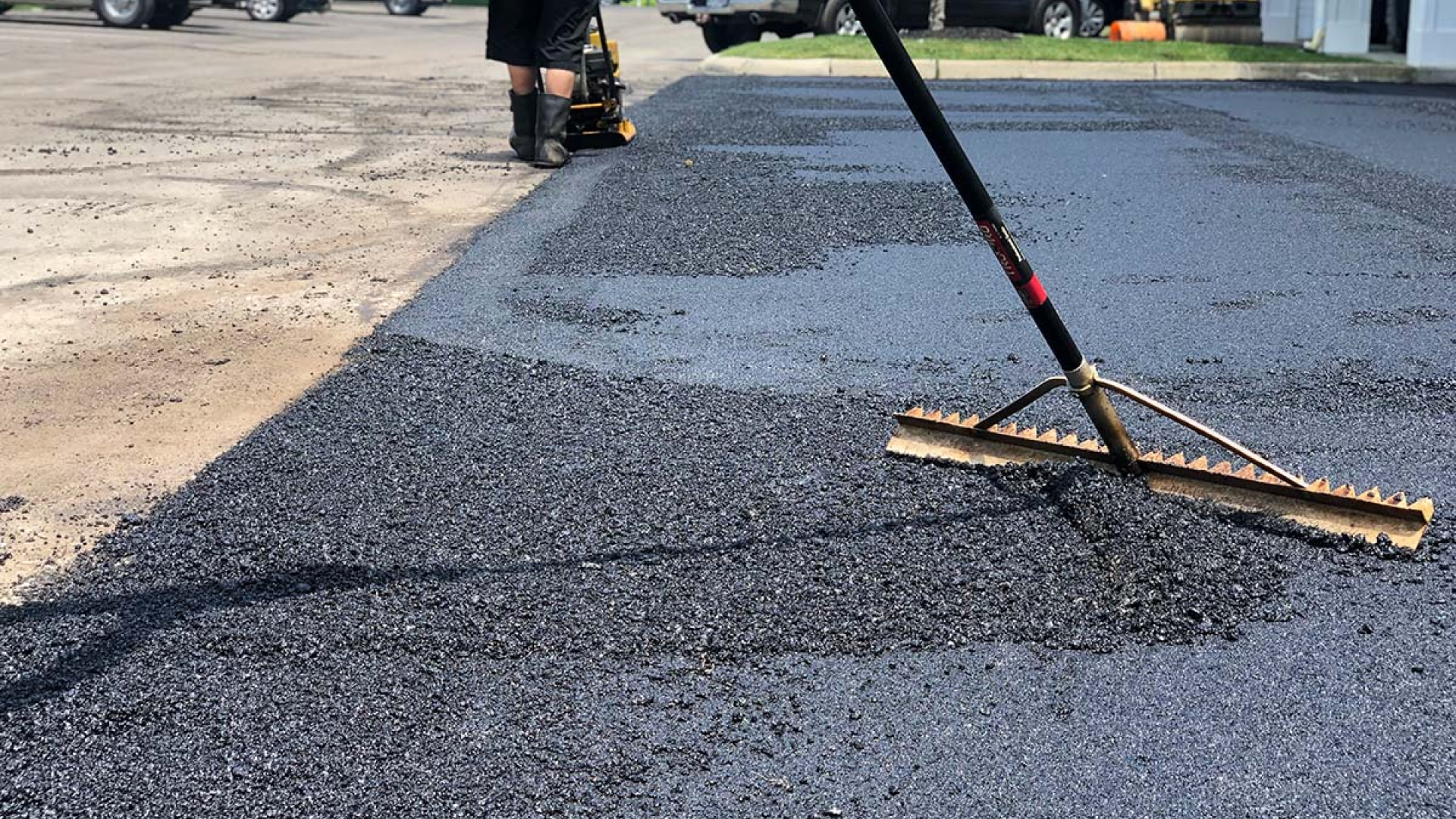
Asphalt surfaces are built to withstand years of traffic, weather exposure, and daily wear. However, even the best-maintained pavement eventually develops cracks, potholes, depressions, and other signs of deterioration. When these issues appear, property owners often face a common question: should they opt for a simple patchwork fix or invest in professional asphalt repair?
The answer depends on the severity of the damage, the condition of the pavement structure, and the long-term goals for the property. While patchwork can be an effective short-term solution for minor issues, it is not always enough to address underlying pavement problems. In many cases, professional asphalt paving services provide a more durable and cost-effective outcome.
Understanding the difference between asphalt repair and patchwork can help property owners make informed decisions, avoid unnecessary expenses, and extend the lifespan of their pavement. According to Asphalt Express LLC, identifying pavement issues early and choosing the right repair strategy is one of the most effective ways to protect asphalt investments and prevent larger structural failures.
Understanding Asphalt Deterioration
Before deciding between patchwork and professional repair, it is important to understand why asphalt deteriorates in the first place. Several factors contribute to pavement damage, including:
Water infiltration
Heavy vehicle traffic
UV exposure and oxidation
Poor drainage systems
Aging pavement materials
Inadequate base preparation
As these environmental and mechanical factors affect the pavement over time, small defects can quickly develop into larger structural problems if left untreated. The key to cost savings is understanding when asphalt repair is better than replacement by determining whether the damage is isolated to the surface or indicates deeper issues beneath the asphalt.
What Is Asphalt Patchwork?
Patchwork refers to localized repairs that address specific, isolated damaged areas without affecting the surrounding pavement. These surface-level fixes are typically used for:
Small, shallow potholes
Minor surface scuffs and blemishes
Isolated, non-spreading cracks
Limited, non-structural pavement failures
Patching involves removing or filling damaged sections and replacing them with fresh asphalt material. The primary goal is to restore immediate usability and prevent the visible damage from spreading across the surface.
Common Types of Asphalt Patching
1. Throw-and-Go Patching
This is the most basic form of patching. Fresh asphalt is placed directly into a pothole or damaged area and compacted quickly.
Advantages: Fast, low upfront cost, and highly useful for temporary winter repairs.
Limitations: Short lifespan and very limited durability. It is often treated strictly as an emergency, stop-gap solution.
2. Semi-Permanent Patching
This method involves cleaning the damaged area thoroughly, removing loose debris, cutting back the edges, installing new hot-mix asphalt, and compacting the repair properly.
Advantages: Significantly longer-lasting than throw-and-go methods with better performance.
Limitations: Still primarily addresses surface-level issues without fixing structural foundation movement.
3. Surface Patching
Surface patching repairs localized pavement deterioration without addressing deeper structural concerns. This approach is appropriate when damage remains entirely confined to the upper asphalt layer.
What Is Professional Asphalt Repair?
Professional asphalt repair goes far beyond simply filling visible defects. Qualified paving contractors evaluate the overall pavement condition to identify and correct the root cause of the damage. Comprehensive repair methods may include:
Infrared asphalt thermal bonding
Full-depth section patching
Advanced crack sealing and routing
Sub-base stabilization
Asphalt milling and resurfacing
Complete structural reconstruction
These permanent solutions address both visible symptoms and underlying pavement base failures to ensure the problem does not return.
The Difference Between Patchwork and Asphalt Repair
Although the terms are sometimes used interchangeably, patchwork and professional repair serve completely different life-cycle purposes.
FeaturePatchworkProfessional Asphalt RepairTarget AreaIsolated surface issuesRoot causes and structural damageUpfront CostTypically lower upfront costHigher initial investmentLong-Term ValueLow; requires frequent re-applicationHigh long-term value and ROIInstallation TimeFaster installationMore comprehensive, phased approachDurabilityShort-term solutionPermanent, long-term solutionStructural ImpactLimited structural improvementRestores complete pavement integrity
Choosing the right option depends heavily on the internal condition of your pavement and the expected lifespan of the repair. Property owners must weigh the hidden costs of delaying parking lot resurfacing or repair against their immediate operational budgets.
When Patchwork May Be the Right Solution
There are specific situations where localized patching is both practical and highly cost-effective.
Small Isolated Potholes
If a pothole is limited to a small area and the surrounding pavement remains structurally sound, a patch may be sufficient. Prompt action helps prevent potholes via proactive asphalt maintenance tips before water can seep into the subgrade.
Minor Surface Cracking
Small cracks that have not spread extensively may be addressed through crack filling or localized patchwork. These preventative repairs help extend pavement life before moisture can compromise the foundation.
Temporary Repairs
Property owners may choose patching when strict budget limitations exist, major reconstruction is already scheduled for a later date, or immediate safety hazards need attention to mitigate liability. Temporary repairs help maintain safe usability until a larger project is executed.
Newer Pavement with Localized Damage
When the asphalt is relatively new and damage is confined to a specific area (such as a minor fuel spill or mechanical gouge), patching provides a practical solution. The key is ensuring the underlying base remains perfectly stable.
When Professional Asphalt Repair Is Necessary
Some pavement issues indicate deeper structural problems that temporary patchwork simply cannot solve.
Repeated Potholes: If potholes continue to return in the exact same location, the issue involves severe water infiltration or sub-base failure. Simply patching the surface will not eliminate the underlying cause.
Alligator Cracking: Alligator cracking appears as interconnected cracks resembling reptile skin. This damage signals structural failure beneath the pavement surface, meaning surface patching rarely provides a lasting solution. In many cases, a complete removal & replacement of the affected section is necessary.
Widespread Cracking: When cracks appear throughout large sections of pavement, isolated repairs become ineffective. Extensive cracking may indicate aging asphalt, foundation movement, or base instability that requires a professional structural evaluation.
Surface Depressions and Rutting: Rutting occurs when asphalt sinks along heavy vehicle travel paths due to weak base layers or inadequate compaction. Surface patching fails because the underlying support structure remains completely compromised.
Standing Water: Water pooling on asphalt surfaces indicates grading or drainage issues. Standing water accelerates deterioration, leading to rapid base erosion. Repairing these zones requires a firm understanding of why commercial parking lot design & drainage matter for longevity.
The Role of Full-Depth Asphalt Repair & Milling
Full-depth repair removes damaged asphalt and deteriorated base materials completely before rebuilding the affected area from the ground up. This process addresses structural failures, base instability, and recurring potholes to deliver improved durability and a longer overall lifespan.
+--------------------------------------------+  <- New Asphalt Overlay
|  [===] Optimized Surface Wearing Layer     |
+--------------------------------------------+  <- Milled/Stabilized Level
|  [===] Strong, Compacted Aggregate Base     |
+--------------------------------------------+  <- Solid Subgrade Foundation
When the subgrade foundation remains stable but the surface shows severe wear, property owners can look into what to expect during a professional asphalt milling job. Utilizing asphalt millings is a highly sustainable, budget-friendly way to reclaim old pavement materials while preserving the base layer long-term.
How Asphalt Resurfacing Fits Into the Equation
Sometimes, full reconstruction isn't necessary because the pavement foundation remains structurally stable while the surface simply shows its age. In these intermediate situations, investing in parking lot resurfacing solutions is the ideal choice.
Asphalt resurfacing services provide a fresh, brand-new asphalt layer over the top of the existing surface, immediately restoring both curb appeal and performance. Property owners are encouraged to read an in-depth breakdown on resurfacing vs. sealcoating to determine which pavement solution fits their specific structural needs and timeline.
Common Mistakes Property Owners Make
1. Waiting Too Long
Small pavement problems rarely improve on their own. Delaying critical repairs leads to significantly larger repair bills, extensive structural damage, and a drastically shortened pavement lifespan.
2. Choosing the Cheapest Option
The lowest upfront cost repair is rarely the most economical long-term solution. Temporary patchwork becomes incredibly expensive if it must be repeated multiple times a year. Property owners should consult a guide on how to estimate crack or pothole repair vs. resurfacing vs. full replacement to budget efficiently.
3. Ignoring Drainage Problems
Many asphalt failures originate from water-related issues. Without correcting slope, pooling, or broken catch basins, brand-new repairs will fail prematurely.
4. Skipping Professional Evaluations
Assuming all pavement damage is merely surface-level can lead to ineffective repairs. Property owners can review the common mistakes property owners make when repairing asphalt and how to avoid them to protect their investments from the start.
The Importance of Preventative Maintenance
The best way to eliminate major, unexpected repair costs is through a dedicated preventative maintenance routine. Partnering with professionals for routine sealcoating and maintenance services helps protect asphalt from water infiltration, UV damage, and chemical oxidation.
Pro Tip: Consistently executing commercial parking lot maintenance practices ensures minor cracks are sealed immediately, keeping water away from the foundation and maximizing the property’s overall real estate value.
Frequently Asked Questions
What is the difference between asphalt patching and asphalt repair?
Patching addresses localized, temporary surface damage, while professional asphalt repair evaluates, targets, and corrects the structural underlying causes of pavement deterioration.
How long does asphalt patchwork last?
The lifespan varies based on traffic volume, weather conditions, and repair quality. Clean, semi-permanent patches may last a few years, while emergency throw-and-go repairs may only last a few months.
Can alligator cracking be patched?
Alligator cracking indicates a deep sub-base structural failure. Surface patchwork alone will not provide a long-term solution; full-depth repair or replacement is typically required.
Is resurfacing better than patching?
Resurfacing is far better when widespread surface wear and cracking exist across a parking lot or driveway, provided the underlying foundation layer remains stable and uncompromised.
Conclusion
Choosing between asphalt patchwork and professional repair depends entirely on the extent of the damage and the underlying condition of your pavement structure. While patching serves as an effective, quick solution for minor, localized issues, it cannot resolve systemic sub-base failures or heavy drainage problems.
Professional asphalt repair provides a comprehensive approach by identifying root causes, correcting structural deficiencies, and drastically extending pavement lifespan. In almost every case, investing in the right repair solution early prevents the need for expensive, total reconstruction projects down the road.
Need Expert Asphalt Repair Advice?
If your pavement is showing signs of cracking, potholes, rutting, or drainage issues, the team at Asphalt Express LLC can help evaluate your property and recommend the most effective, lasting solution.
The sooner pavement problems are addressed, the easier and more affordable they are to fix. Reach out today for an accurate professional evaluation!