

Choosing the Right Asphalt Solution for High-Traffic Areas
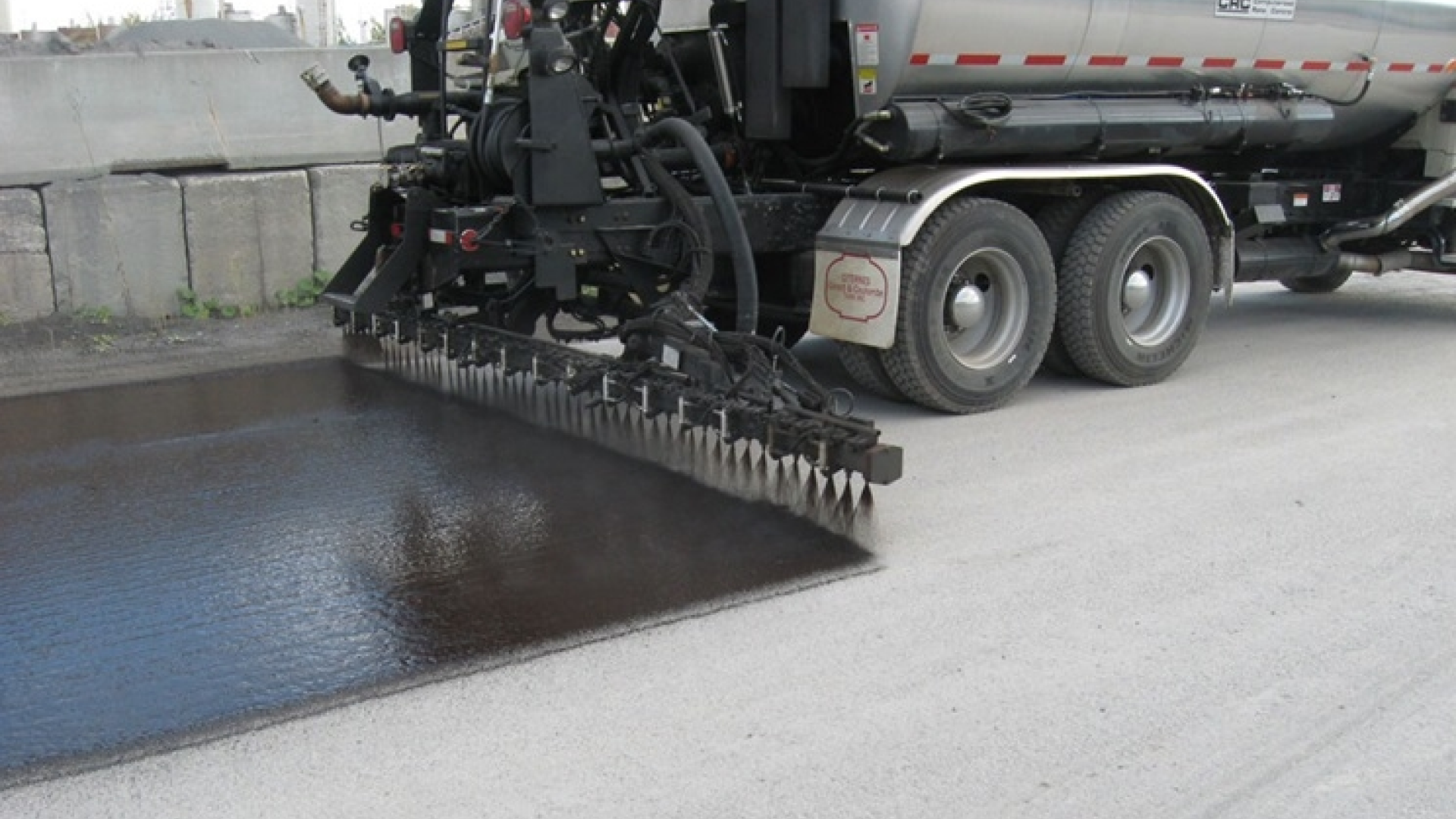
High-traffic surfaces demand more than standard paving—they require engineered strength, proper drainage planning, and long-term maintenance strategies. Whether you manage a commercial plaza, industrial yard, or logistics hub, selecting the right asphalt system determines how well your pavement performs under constant stress.
Learn more about professional paving solutions from the team at Asphalt Express LLC, a trusted provider of commercial and residential asphalt services built for durability and performance.
What Makes High-Traffic Asphalt Different?
High-traffic areas experience continuous loading from vehicles of all sizes. Over time, this leads to structural stress that standard residential asphalt cannot handle.
Typical high-traffic zones include:
Commercial parking lots
Truck loading docks
Industrial yards
Retail entrances
Bus terminals
Distribution centers
To support these environments, asphalt must be designed with stronger base layers, optimized compaction, and high-performance mix designs.
Why Proper Asphalt Design Matters
A poorly designed pavement system can fail quickly under pressure. Common issues include rutting, cracking, potholes, and drainage breakdown.
These failures are often linked to:
Weak base construction
Incorrect asphalt thickness
Poor water management
Low-grade mix selection
Understanding these risks is essential when planning long-term pavement investment strategies.
For deeper insights into installation quality, explore what makes a high-quality asphalt paving job.
Key Factors in Choosing the Right Asphalt Solution
1. Traffic Load & Vehicle Type
Heavier vehicles require thicker asphalt layers and reinforced base systems to prevent deformation.
2. Base Preparation
A stable foundation is critical. Weak soil or improper compaction leads to premature failure regardless of surface quality.
Learn more about proper foundation practices in this guide on why proper asphalt base prep is crucial before paving.
3. Drainage Design
Water infiltration is one of the leading causes of asphalt deterioration. Proper grading ensures long-term structural integrity.
Read more: how proper drainage extends your parking lot’s lifespan
4. Asphalt Mix Selection
High-performance mixes like dense-graded asphalt and polymer-modified blends improve resistance to rutting and cracking.
5. Maintenance Planning
Routine sealcoating, crack sealing, and inspections extend pavement life significantly.
Best Asphalt Solutions for High-Traffic Areas
Full-Depth Asphalt Construction
One of the strongest systems for heavy-use environments, full-depth paving builds structural strength from the ground up.
This method is ideal for industrial facilities and heavy truck routes.
Explore full construction services here: commercial parking lot solutions
Asphalt Milling & Overlay Systems
Milling removes damaged layers before installing fresh asphalt, improving surface accuracy and longevity.
Learn the process: asphalt milling services
Also see: step-by-step guide to asphalt milling for longevity
Asphalt Resurfacing
Resurfacing restores worn pavement without full reconstruction—ideal when the base is still stable.
Explore options: asphalt resurfacing solutions
Related reading: asphalt resurfacing vs mill & overlay
Full Removal & Replacement
When structural failure is severe, complete reconstruction is the most reliable long-term solution.
Learn more: asphalt removal and replacement services
Related guide: how to know when asphalt needs complete removal
Sealcoating & Preventative Maintenance
Sealcoating protects asphalt from UV damage, water penetration, and oxidation.
Maintenance services: sealcoating & maintenance
Supporting article: how sealcoating protects asphalt in harsh winters
Parking Lot Resurfacing Solutions
For commercial properties, resurfacing improves safety, appearance, and durability without full replacement.
Explore services: parking lot resurfacing
Related insights: why timely parking lot resurfacing saves money
Common Mistakes in High-Traffic Asphalt Projects
Avoid these costly errors:
Using thin asphalt layers for heavy traffic
Ignoring drainage design
Skipping base preparation
Delaying maintenance repairs
These mistakes often lead to early failure and expensive reconstruction.
Read more: common asphalt paving mistakes and how to avoid them
Long-Term Maintenance Strategy
A strong asphalt system still requires ongoing care:
Sealcoating every few years
Crack sealing before seasonal changes
Regular inspections for early damage
Prompt pothole repairs
Maintenance planning guide: how to plan an asphalt maintenance schedule
Real-World Performance & Project Results
Seeing real projects helps property owners understand durability outcomes.
View completed work: Asphalt Express LLC project gallery
Case study insight: real customer stories before & after resurfacing
Why Professional Installation Matters
Professional contractors ensure:
Proper grading and slope design
Correct asphalt thickness
Strong compaction standards
Long-term structural planning
Learn more about the company’s expertise: about Asphalt Express LLC
Final Takeaway
High-traffic asphalt performance depends on smart engineering, correct material selection, and consistent maintenance. Whether you choose full-depth paving, resurfacing, or milling systems, the right approach ensures long-term durability and lower lifecycle costs.
When in doubt, consult professionals who understand commercial pavement demands and local environmental conditions.
Ready to Upgrade Your Asphalt?
For expert consultation and customized paving solutions, contact:
Asphalt Express LLC Contact Page