

How Often Should You Sealcoat Your Asphalt for Best Longevity?
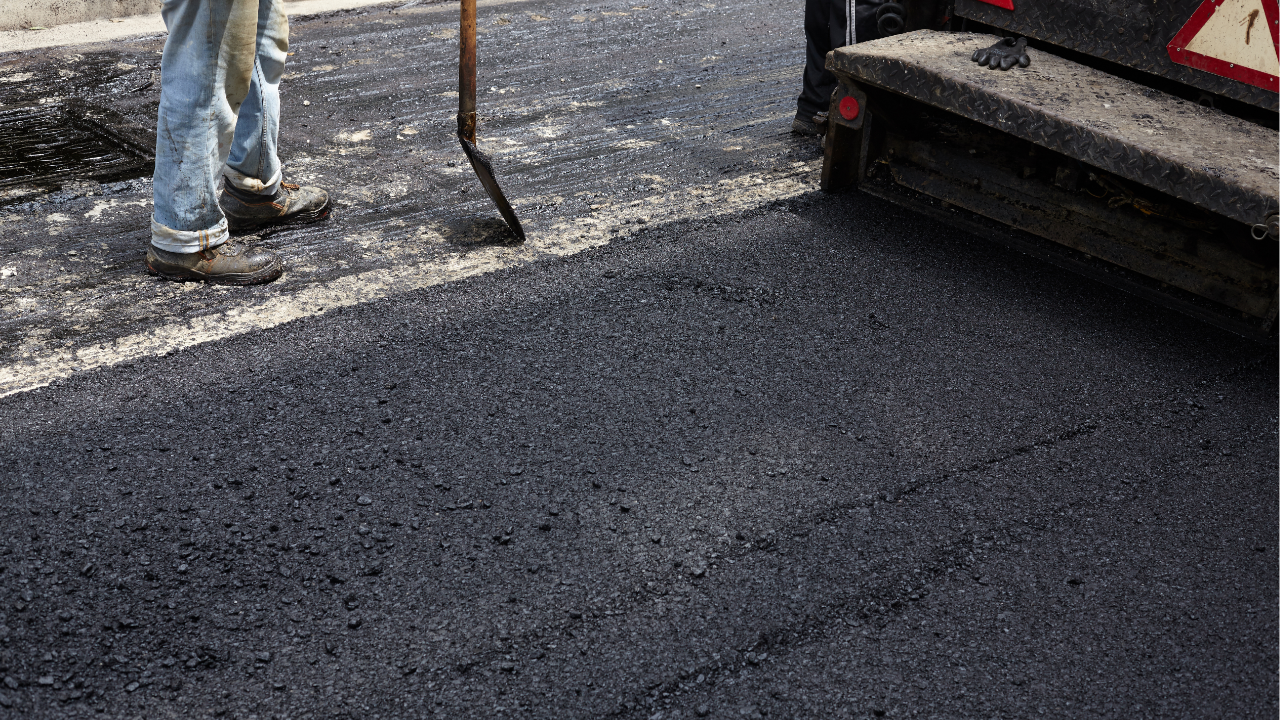
Michigan asphalt takes a beating. One season it’s buried under snow and ice. The next, it’s baking in the summer sun. That constant stress wears pavement down fast. At Asphalt Express, one question comes up all the time: how often should asphalt really be sealcoated to last longer?
Short answer: regularly. Smart answer: it depends on traffic, exposure, and condition. Either way, sealcoating is one of the simplest ways to protect your asphalt investment and avoid bigger repair bills later.
Why Sealcoating Matters for Michigan Asphalt
Sealcoating acts like armor for your pavement. A quality sealcoat protects asphalt from water penetration, UV damage, oil spills, and oxidation. It also keeps small surface issues from turning into full-blown structural problems.
Professional seal coating and maintenance includes surface cleaning, minor crack repairs, and an even protective application. Skip this step, and asphalt ages faster—no debate there.
For a deeper dive on seasonal protection, check out our related guide on the benefits of sealcoating before winter hits.
Recommended Sealcoating Frequency
Residential Driveways
Most residential driveways should be sealcoated every 2–3 years. Light traffic homes can often wait closer to three years. Heavier use, frequent snow plowing, or constant moisture exposure usually means a tighter two-year cycle.
Sealcoating pairs well with long-term solutions like asphalt paving or resurfacing when surfaces start to show their age.
Commercial Parking Lots
Commercial asphalt works harder. Delivery trucks, employee traffic, and customer vehicles add up fast. For these surfaces, sealcoating every 1–2 years is the sweet spot.
Regular maintenance supports safer surfaces, better curb appeal, and fewer liability headaches. Learn more about ongoing care in our commercial parking lot solutions and this parking lot maintenance checklist for business owners.
Signs Your Asphalt Needs a Fresh Sealcoat
Even with a schedule, your pavement will tell you when it needs attention.
Watch for These Red Flags
Faded or gray asphalt from oxidation
Small surface cracks starting to spread
Water pooling instead of draining properly
If you’re seeing deeper damage, sealcoating may not be enough. Our guides on asphalt resurfacing vs. mill and overlay and when full removal and replacement is needed break that down clearly.
Benefits of Timely Sealcoating
Extends Pavement Life
Sealcoating slows aging, keeps asphalt flexible, and reduces cracking.
Saves Money
Preventive maintenance always costs less than major repairs, parking lot resurfacing, or full removal and replacement.
Improves Appearance
Fresh sealcoating restores that clean, dark finish customers and homeowners expect. Want proof? Take a look at our project gallery.
Handles Michigan Weather Better
From freeze-thaw cycles to road salt and snowmelt chemicals, sealcoating helps asphalt stand its ground. Learn more about what causes damage in our post on common causes of asphalt damage in Michigan weather.
Professional Sealcoating with Asphalt Express
Our sealcoating process is simple, proven, and thorough.
What Our Process Includes
Full surface cleaning and preparation
Crack repair and minor patching
High-quality sealcoat applied evenly
We tailor every job to the property, whether it’s a driveway, a busy commercial lot, or high-traffic access areas. Our experience also covers related services like asphalt milling for surfaces that need more than surface-level care.
Final Thoughts
For Michigan property owners, sealcoating is not optional—it’s smart maintenance. A 2–3 year cycle for residential driveways and a 1–2 year cycle for commercial parking lots keeps asphalt strong, safe, and professional-looking.
If your pavement is due, or you’re not sure what it needs next, talk to the local pros at Asphalt Express. Contact us today and let’s keep your asphalt working harder for longer.